Celestial Music
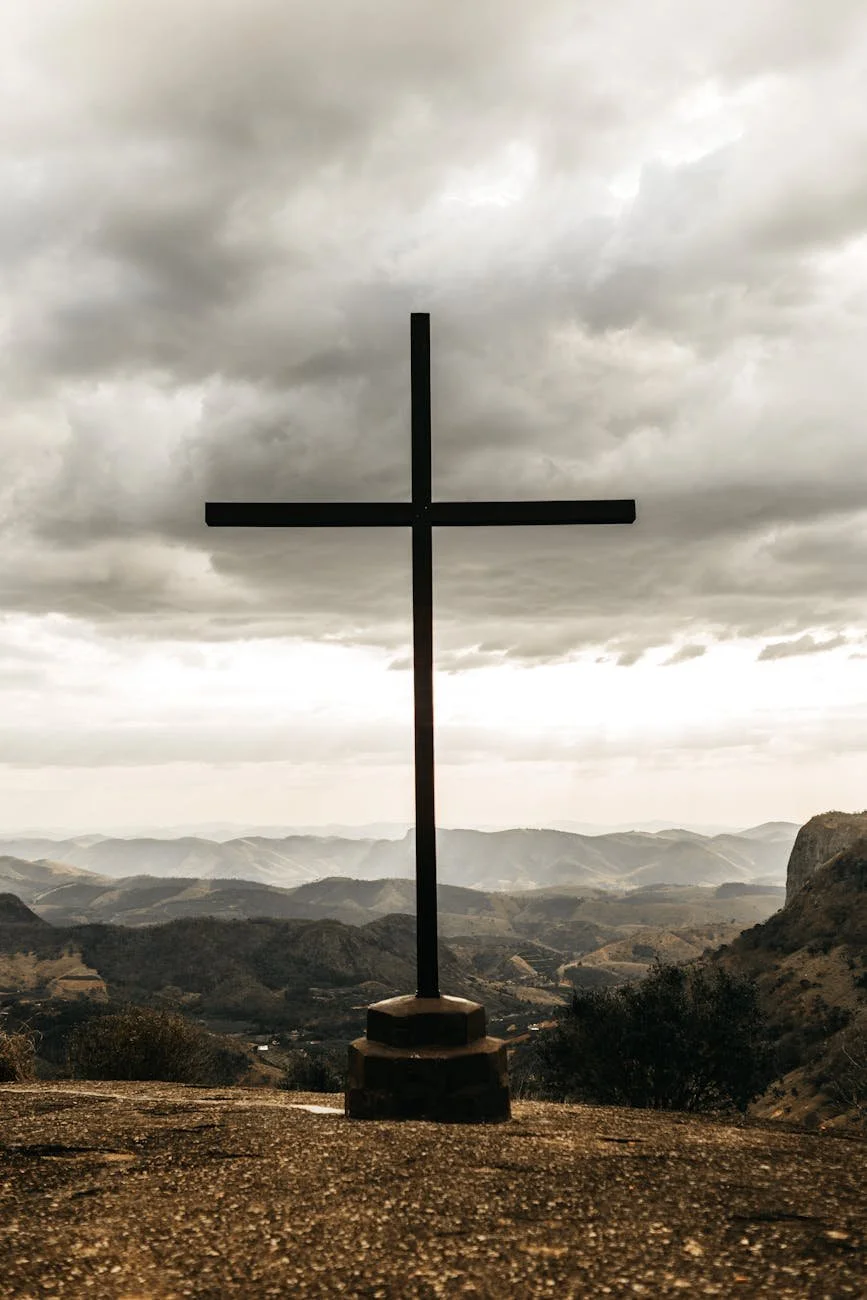
The reflection explores the presence of children at Golgotha, engaging with the question of innocence amidst suffering. It considers Jesus’ childhood and his early prayer experiences, contrasting the beauty of life with the harsh realities of the world. Ultimately, it highlights themes of love, suffering, and the enduring promise of hope beyond despair.
Walking with God’s Creatures
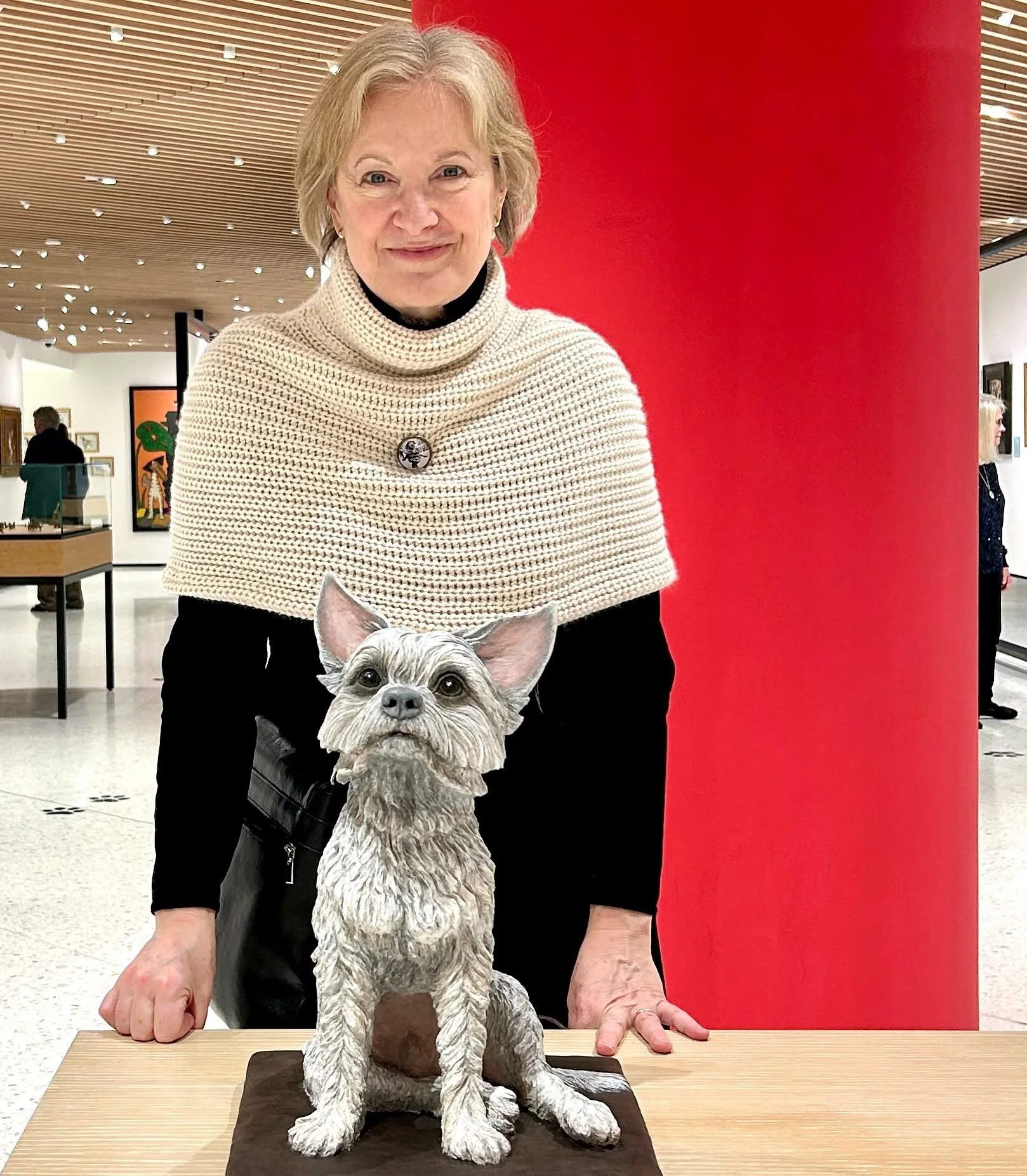
The Lenten journey intertwines joy and grief, emphasizing that love, though painful, endures. Artist Patrice Donnell captures the essence of beloved pets through sculpture, highlighting their unconditional love. She advocates for learning compassion from all creatures, encouraging acts of wisdom and connection, while celebrating God's eternal love and the promise of resurrection.

Giving
The author reflects on two interactions with homeless men, highlighting the choices made in giving—one monetary and the other in the form of food. This contemplation leads to broader themes of generosity emphasized in Christianity, particularly during Lent, where giving is seen as an expression of faith, love, and recognition of God’s blessings.

In the Palm of Your Hand
The poem reflects a deep connection between the speaker and another person, conveying feelings of comfort and belonging. The imagery of dancing in their palm symbolizes intimacy and protection. As the speaker contemplates departure, they realize that their true home and contentment lie in this relationship.
Entering the Last Week
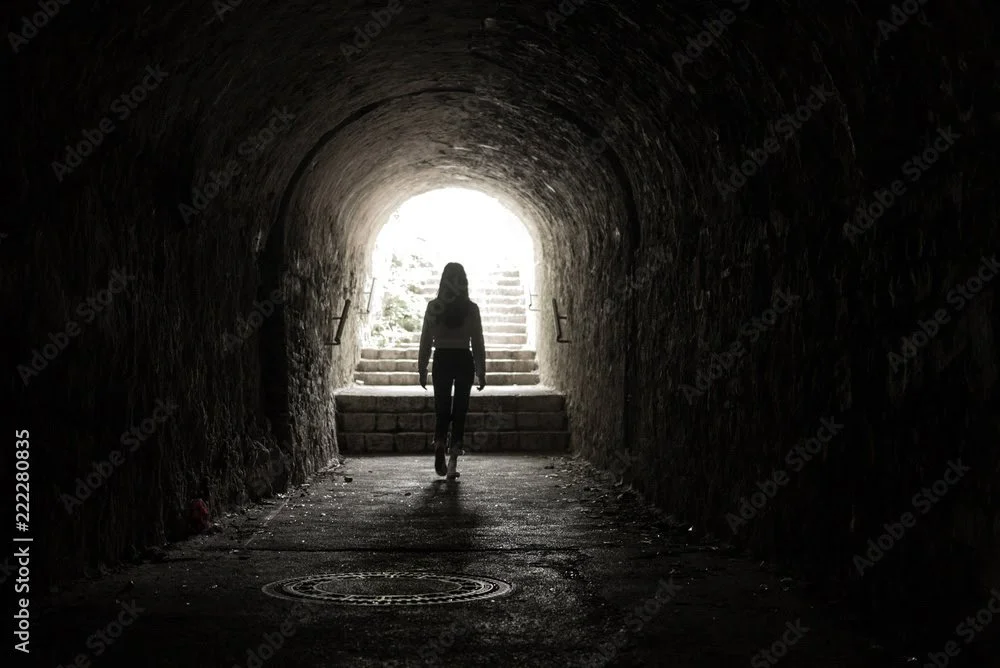
The content reflects on the struggles in life and draws parallels to Jesus’ challenges leading up to Holy Week. It emphasizes the importance of surrendering to God's will, moving forward through adversity, and trusting in divine support. The message encourages perseverance amidst trials, highlighting hope in the promise of transformation and resolution.
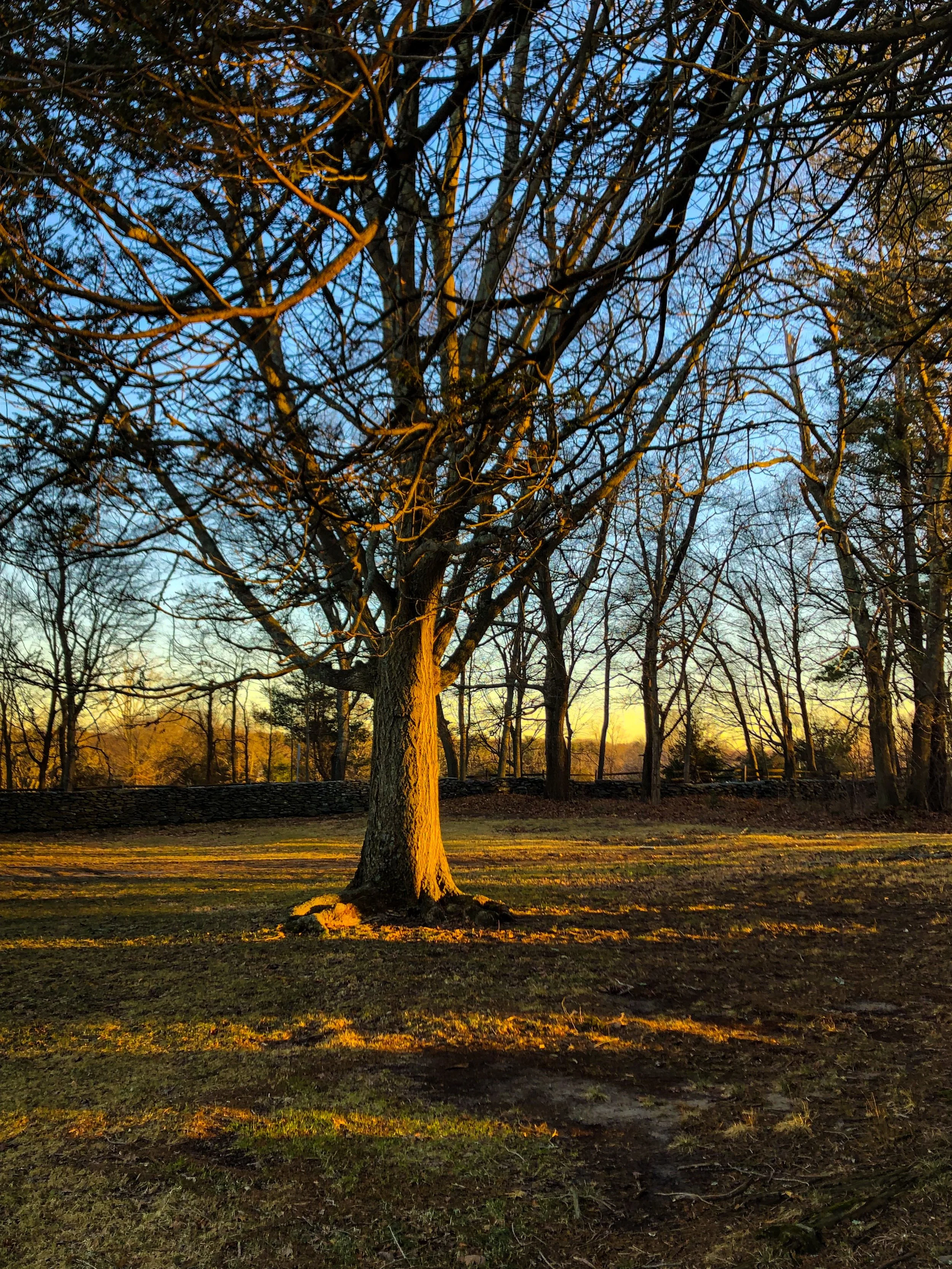
"Witness Trees"
The podcast from Parkology discusses the Witness Tree Protection Program by the National Park Service, focusing on a tree at the site of the Edward R. Murrow Federal Office Building in Oklahoma City. This tree, known as the "Survivor Tree," symbolizes resilience after the tragic bombing that killed 168 people.

Little Critter, Big Lesson
The author reflects on nature as a testament to God's faithfulness, sharing an experience of spotting a camouflaged creature and its significance. This moment instills gratitude and trust in God's providence, encouraging a reliance on faith over self-doubt. Citing biblical verses, the narrative emphasizes trusting God's guidance for overcoming frustration and achieving peace.
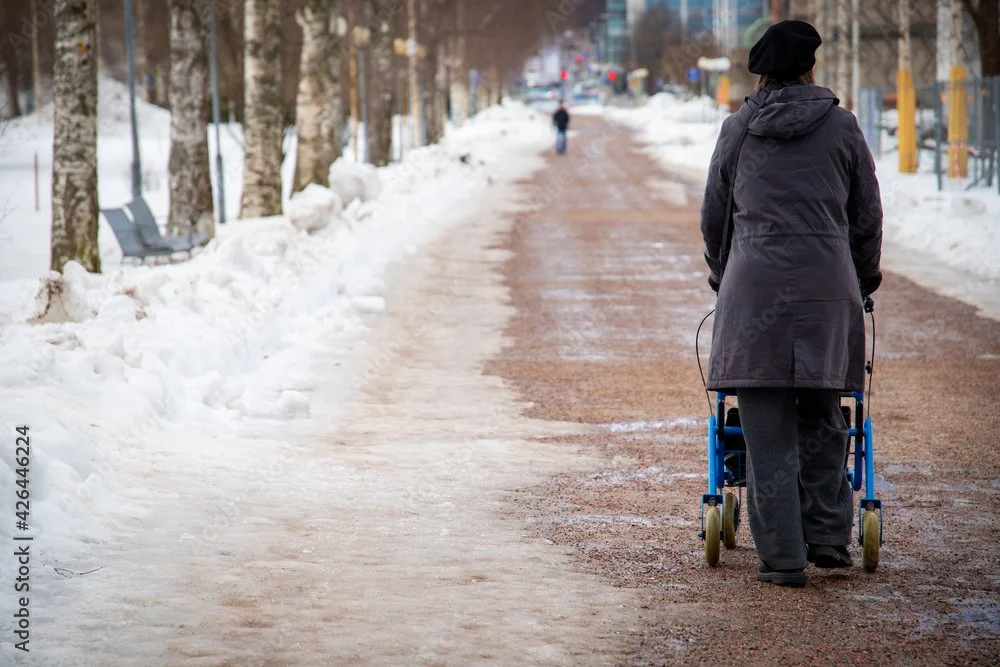
Heart of Faith
On a snowy Sunday in New York City, a congregational member paused at a red pedestrian signal to help a woman with a walker cross the street, despite impatient honking. This act exemplifies the essence of love in action, especially during Lent, highlighting the importance of embodying God's love through deeds.
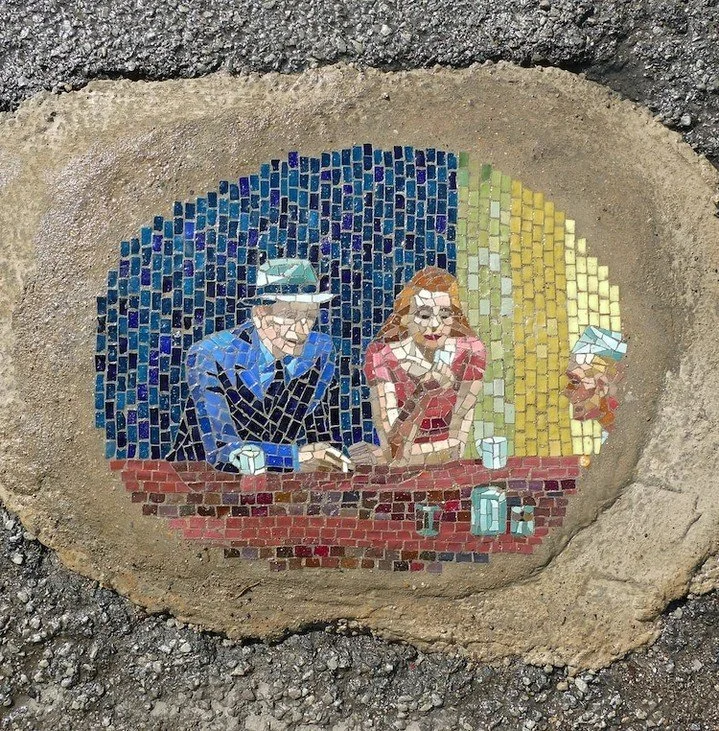

The Sun Sets but Rises Again
Rev. Susanah Wade reflects on her daily experiences of sunset and sunrise, symbolizing life’s rhythms. She shares how the season of Lent helps her confront fears and transition to hope through practices of reflection and conversation with God. This journey emphasizes finding light amid darkness and holding onto faith.
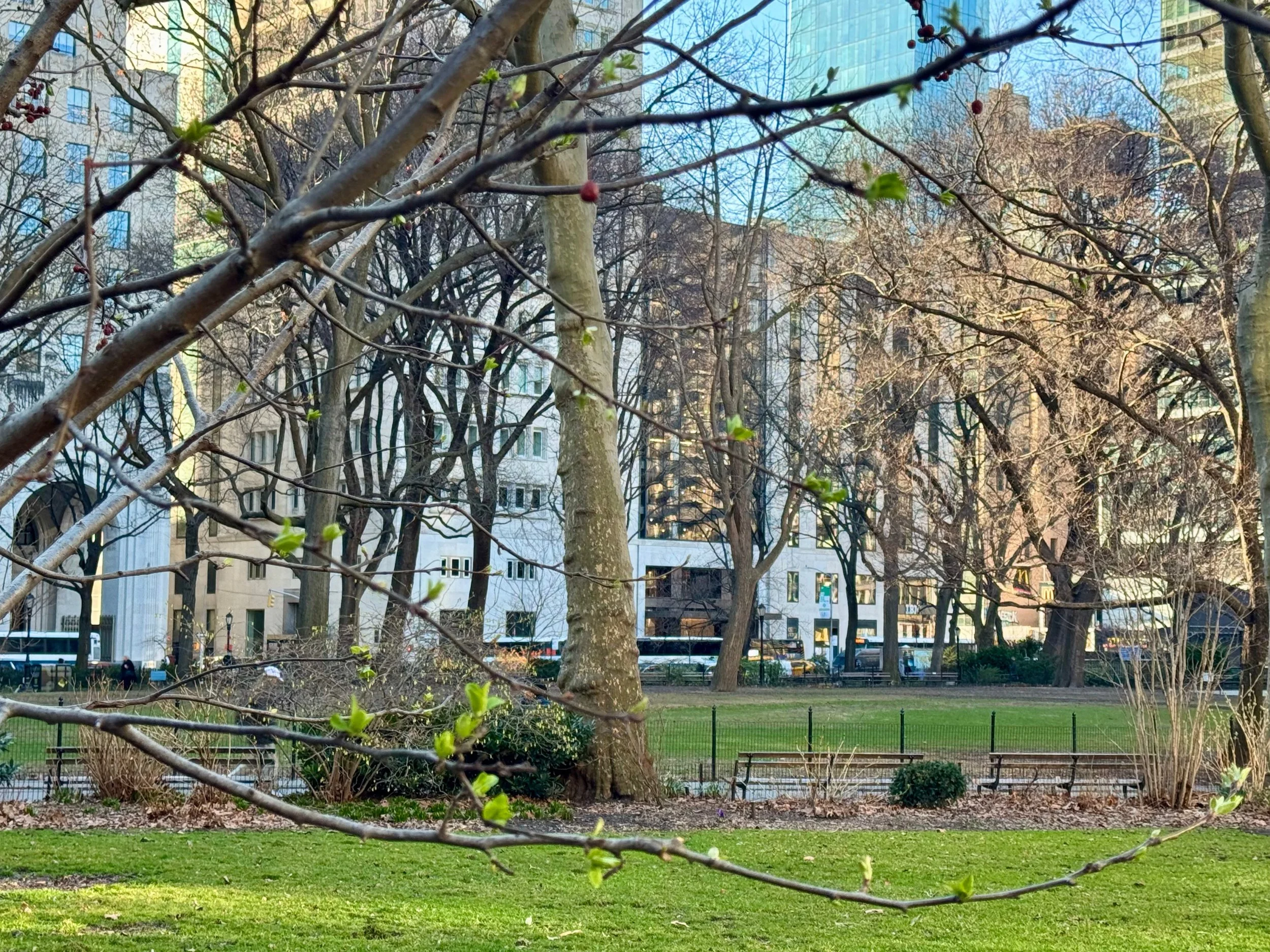
Looking for Spring in the City
On a cold morning in Madison Square Park, the author initially felt frustrated by winter's lingering presence. However, upon closer inspection, she discovered signs of spring—a reminder of hope and renewal. This prompted reflection on recognizing God's signs amidst negativity, emphasizing faith and gratitude in daily life.
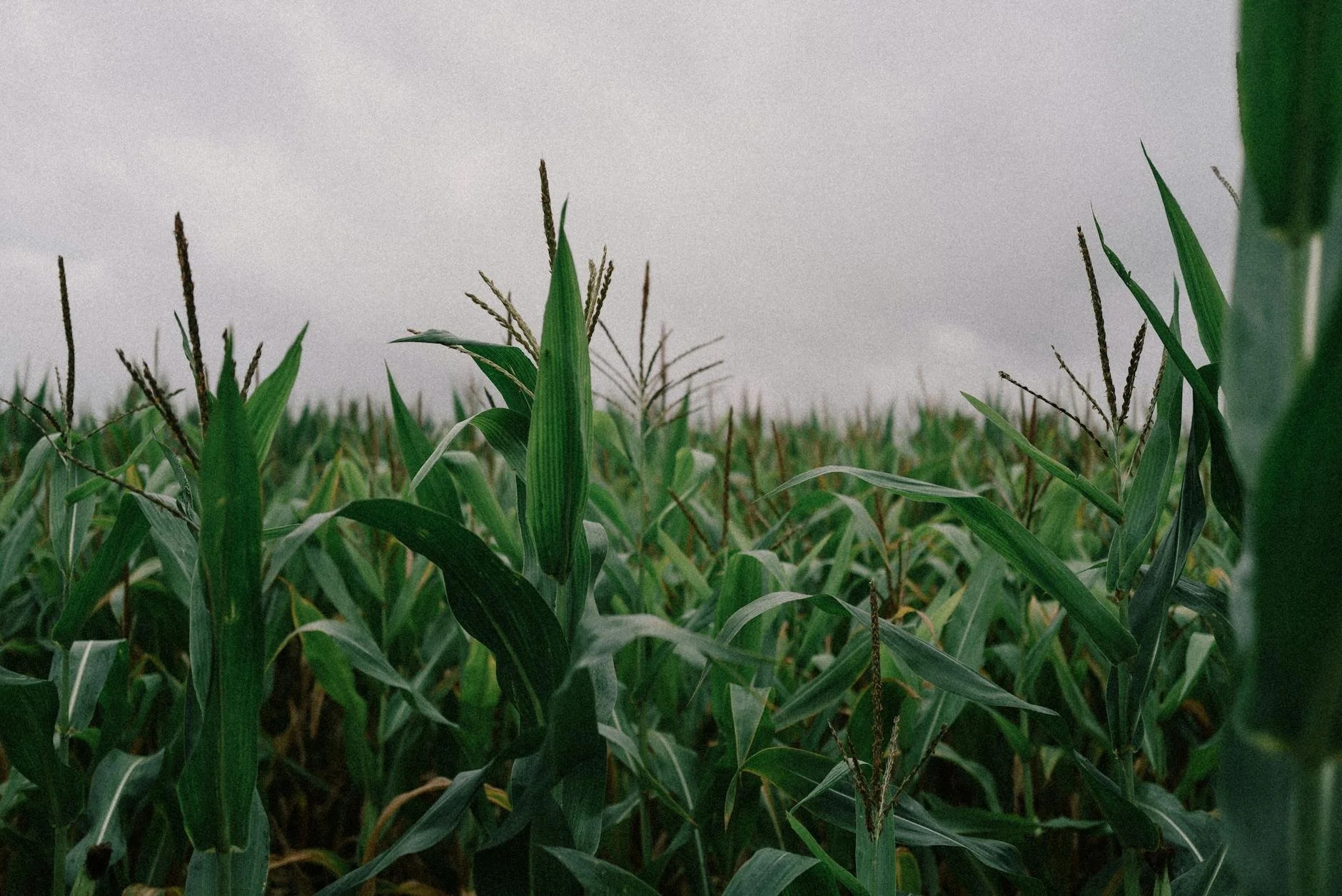
The Barn My Father Built
The speaker resolves to revisit a nostalgic childhood place filled with corn and memories, drawn by the sounds of nature. They contemplate the contrast between vibrant life outside and the comforting past within an ancient structure, cherishing scents and memories intertwined with reflections of both beauty and reverence.
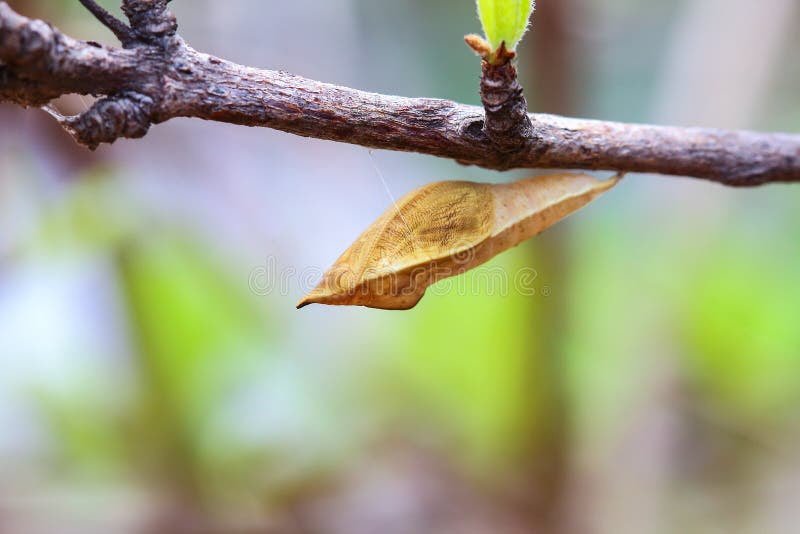
Let Go
During a walk, the author noticed a solitary, lifeless leaf clinging to a branch, juxtaposed with a new green bud emerging, symbolizing the transition from death to life. This scene reflects the essence of Lent, encouraging individuals to release old burdens to embrace new opportunities and spiritual renewal.
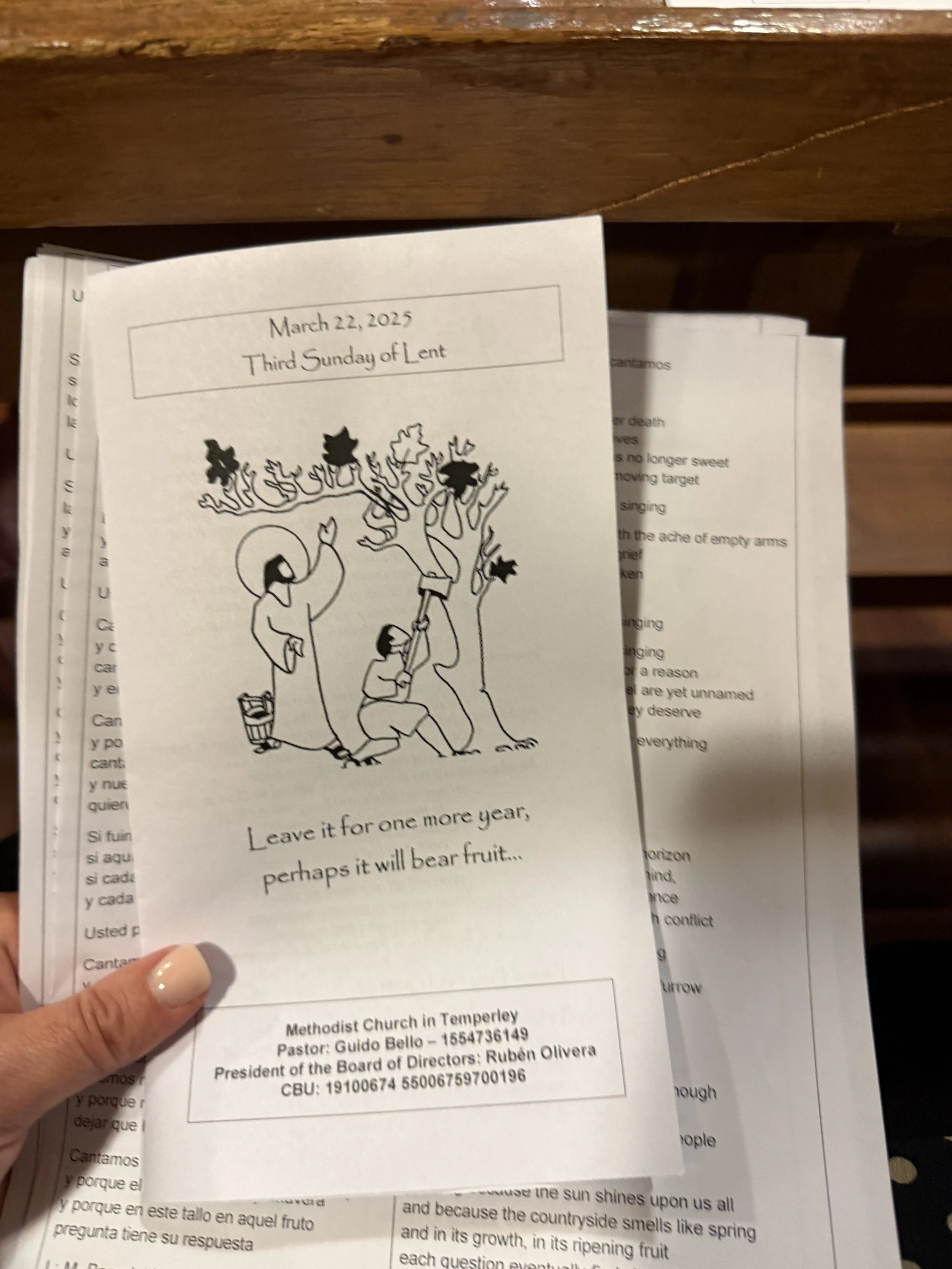
Argentina Part III: You May Ask Why We Sing
On the third "Sunday" of Lent, a service at the Temperley Methodist Church featured the song "You May Ask Why We Sing," reflecting resilience amid hardship. The lyrics emphasize the significance of singing for justice, hope, and healing, asserting that despite despair, the act of singing uplifts spirits and symbolizes belief in a better future.
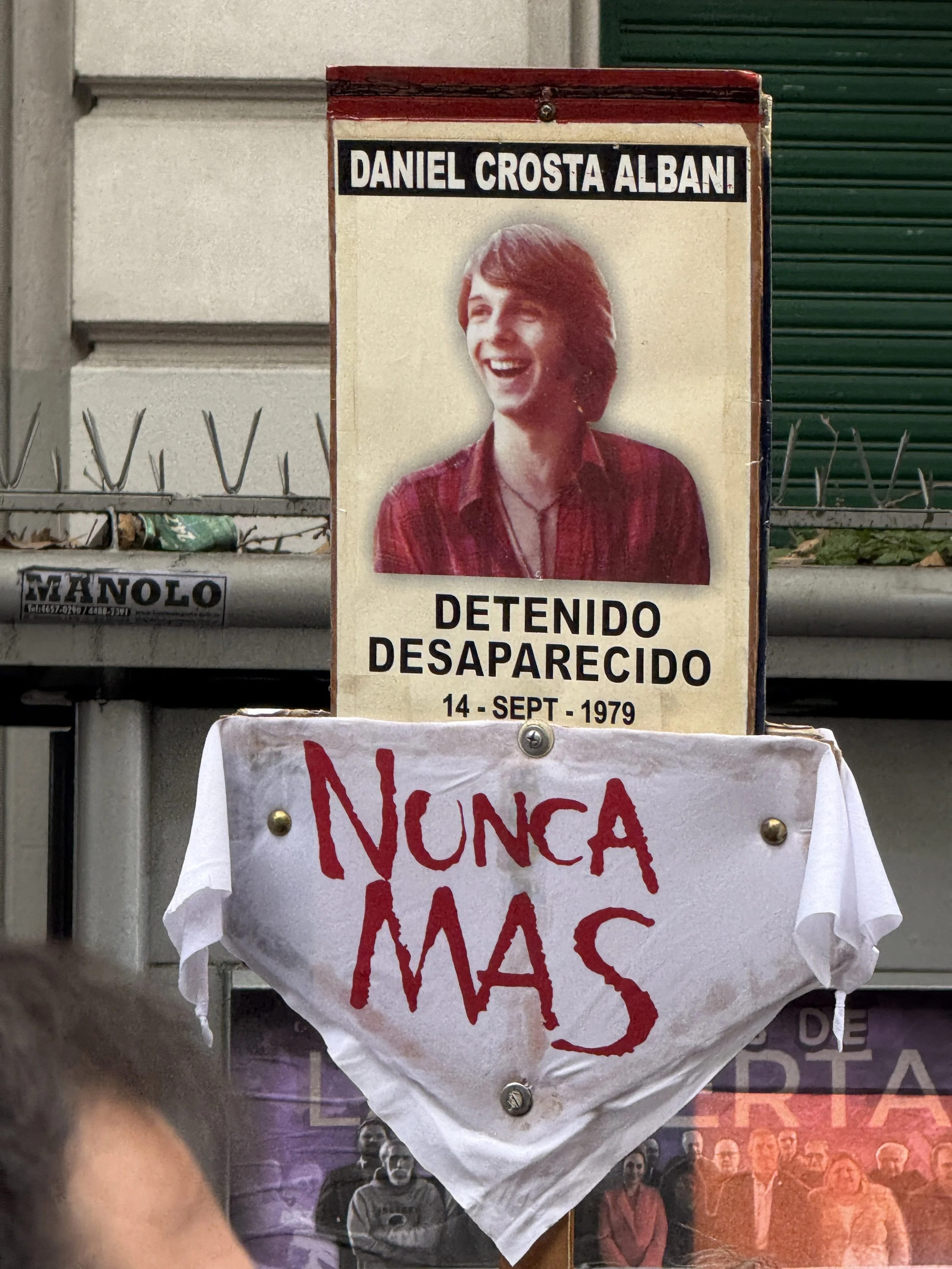
Argentina Part II: Nunca Más
The phrase "Nunca Más" encapsulates Argentina's commitment to justice for those who disappeared during past violence, as reflected in the report by the National Commission of the Disappeared. During the 49th Anniversary March for Truth and Remembrance, survivors and families gathered to honor their losses and seek justice collectively.
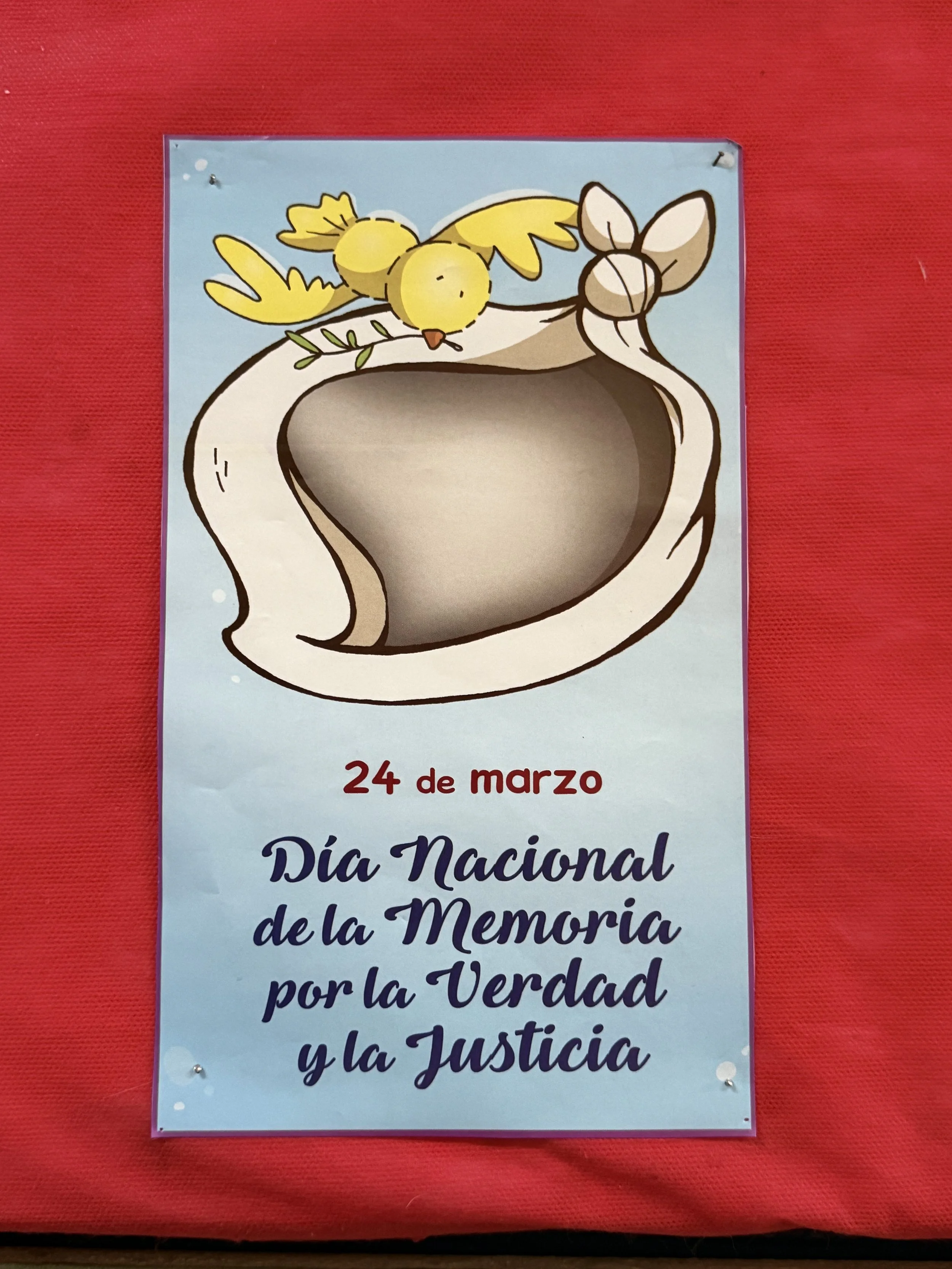
Argentina Part I: Reflections on a Pilgrimage
The author reflects on a transformative pilgrimage to Argentina in March 2025, alongside Methodist Ministers and Lay Leaders. The journey focused on understanding the country’s beauty and complex history, particularly the impact of the military dictatorship. Through educational preparations and personal stories, they emphasized the importance of confronting uncomfortable truths to foster healing and prevent historical mistakes.
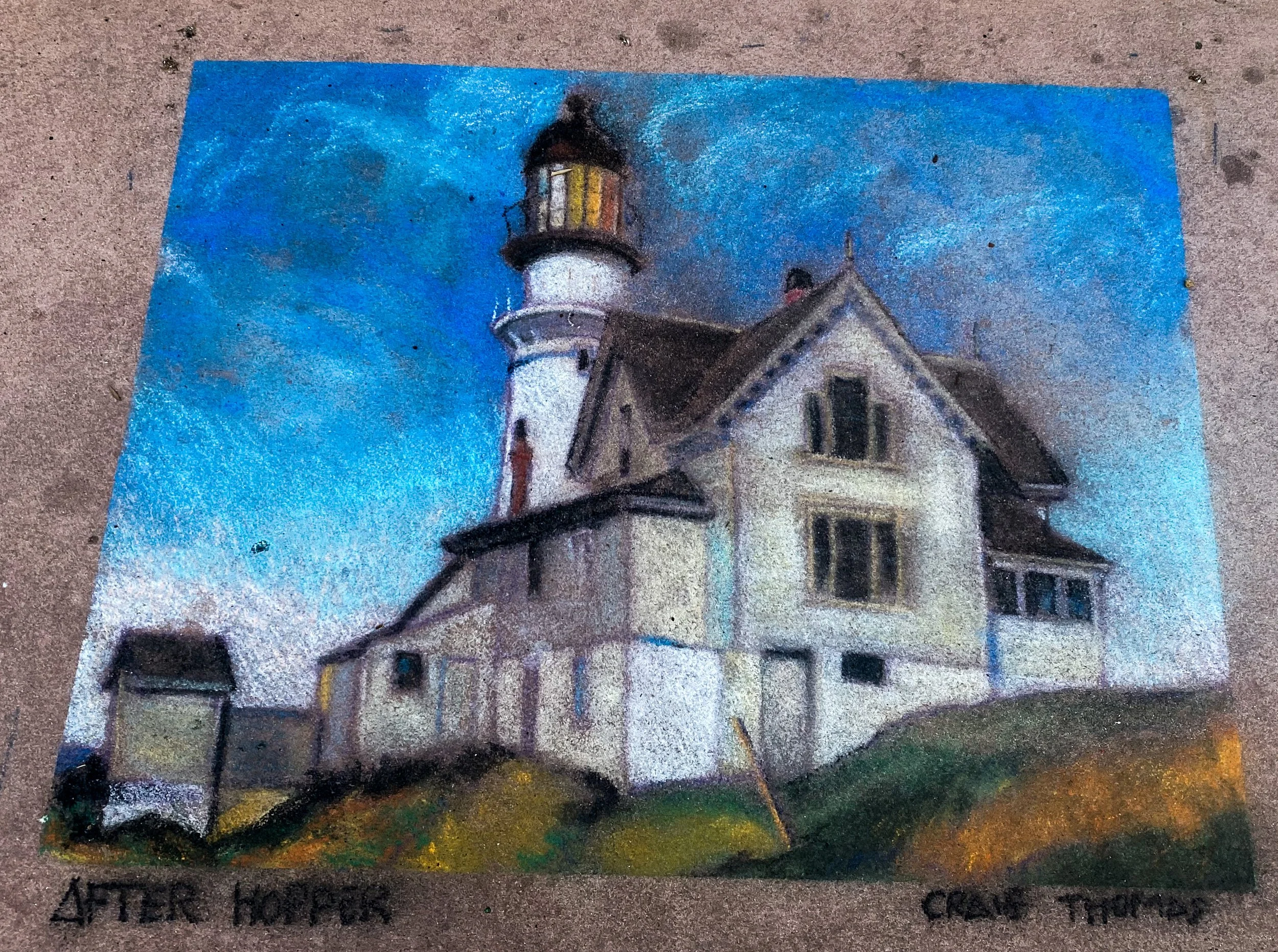
The Legacy of Women in Lighthouse History
On Women's History Month's final day, a PBS video highlights women lighthouse keepers, accompanied by a podcast on Suellen Wedmore's poetry book, "A Fixed White Light," celebrating their impact.
Many Voices
The author reflects on the beauty of hearing the Lord's Prayer sung in various languages during a recent trip to Argentina, emphasizing its significance and universal appeal.
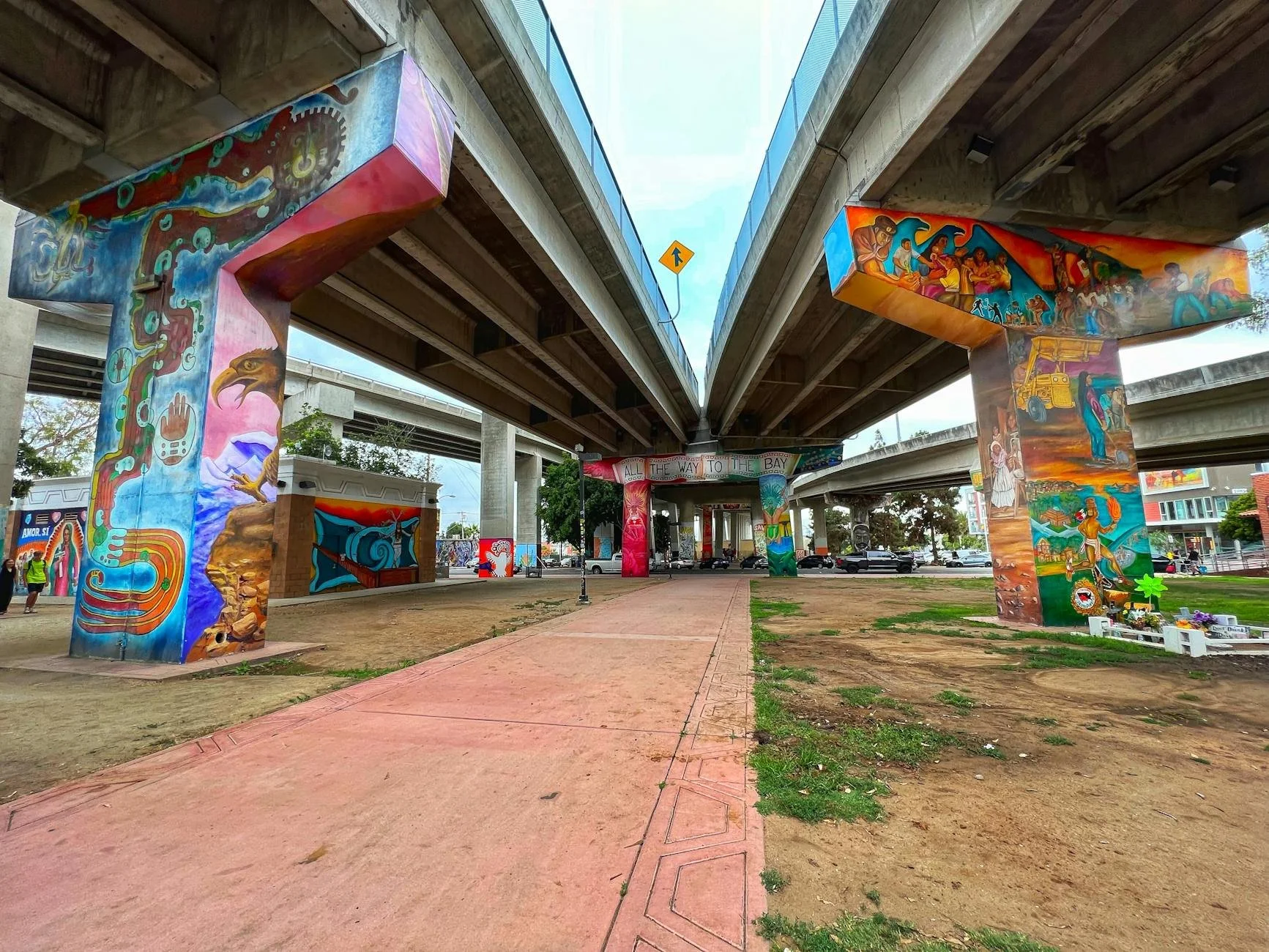
Art Transforming Neighborhoods
Residents of a Chicano Neighborhood took action in 1970 to reclaim land promised as a park but denied by the government. Through a twelve-day protest, they formed a human chain, ultimately transforming the area into a museum, cultural center, and park, highlighting the power of art in community revitalization.